Free Printable Wild Cat Cub Cards
Playful Cougar Cub
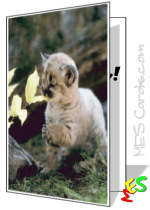
Snow Leopard Cub
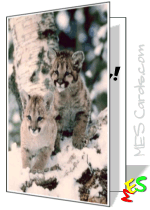
Panther Cub Portrait
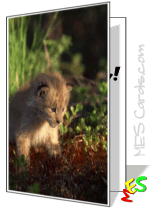
Cheetah Cub Close-up
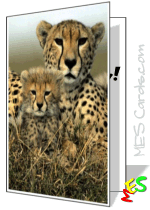
Bobcat Kittens in Tree
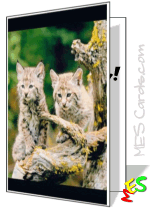
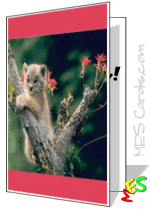
Cougar Cub Climbing
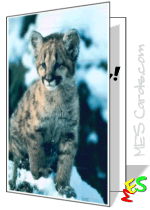
Winter Mountain Lion
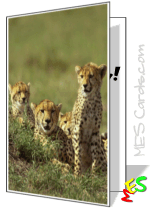
Cheetah Family Group
Page: 1, 2
Celebrate the irresistible charm of baby wildcats with our collection of free printable wild cat cub cards. Each card features professional wildlife photography capturing the adorable moments of nature's most captivating baby predators - from playful cougar cubs exploring forests to spotted leopard and cheetah cubs learning to hunt, cuddly bobcat kittens perched in trees, and beautiful snow leopard babies in winter wonderlands. These heartwarming cards are perfect for children's birthdays, baby showers, wildlife enthusiasts, nature-themed celebrations, or any occasion that calls for cute animal imagery combined with the majesty of wild nature.
Why Choose Wild Cat Cub Greeting Cards
Wild cat cub cards combine the universal appeal of adorable baby animals with the exotic fascination of rare wildlife species. These cards work beautifully for children's birthday celebrations, as kids are naturally drawn to cute baby animals while learning about different wildcat species around the world. The combination of "aww-inspiring" cuteness and educational wildlife content makes these cards perfect for nature-themed parties, zoo field trip invitations, or conservation awareness events. Parents and teachers appreciate cards that entertain while introducing children to wildlife diversity and habitat conservation. Animal lovers of all ages cherish the rare glimpse into the early lives of creatures they may never see in person. The variety of species represented - from North American cougars and bobcats to African cheetahs and Asian snow leopards - provides options for different color schemes, settings, and symbolic meanings. Baby animal imagery universally represents new beginnings, innocence, growth, and potential, making these cards suitable for baby showers, graduations, new job celebrations, or encouraging messages during life transitions.
Easy Online Card Customization
Our free online card maker gives you complete creative control over your wild cat cub card design. Click any card above to open it in the interactive customization tool, where you can add personalized messages on both the front cover and inside pages. Choose from an extensive collection of fonts ranging from playful and whimsical styles perfect for children's cards to elegant scripts suitable for more sophisticated occasions. Adjust text size to create bold headlines or subtle captions, select any color to match your theme or the card's natural tones, and position text elements exactly where you want them with simple drag-and-drop functionality. The alignment tools ensure professional-looking text placement with left, center, or right justification options. Preview your design in real-time to see exactly how your finished card will appear when printed. Add birthday messages like "Hope Your Birthday is WILD!" or conservation themes like "Protecting Wildlife Starts With Awareness." Once satisfied with your creation, simply print directly from your browser on standard letter or A4 paper - no special software or subscriptions required.
Creative Ways to Use Wild Cat Cub Cards
Wild cat cub cards offer remarkable versatility for educational and celebratory purposes. Teachers can use these cards as rewards for student achievements, creating personalized certificates that celebrate academic growth with baby animal imagery symbolizing learning and development. Zoo educators and wildlife centers can incorporate cub cards into birthday party packages, educational program materials, or donor thank you notes. Create themed party invitations for safari birthday parties, jungle-themed baby showers, or wildlife conservation fundraising events. Scout leaders will find these cards perfect for nature badge achievements or outdoor education program recognition. Parents can use cub cards to teach children about different wildcat species, their habitats, and conservation needs while creating birthday invitations or thank you notes together. The adorable imagery makes these cards excellent for "thinking of you" messages to children who are sick or hospitalized, bringing smiles during difficult times. Photography enthusiasts can use these cards as examples when teaching wildlife photography workshops or nature documentation classes. Print multiple cards on cardstock and create matching sets for personal stationery, or frame individual favorites as nursery decoration in wildlife-themed children's rooms.
Printing Tips for Professional Results
Achieve professional-quality results with proper printing techniques for your wild cat cub cards. Use heavyweight cardstock (80-110 lb or 200-300 gsm) to create substantial cards that showcase the beautiful wildlife photography. Glossy cardstock enhances the vibrant natural colors in the cub photos, making spotted fur patterns pop and bringing out the rich tones in forest and snow scenes. Matte finish cardstock provides an elegant, sophisticated look that reduces glare while maintaining excellent photo reproduction. Set your printer to the highest quality photo settings to capture every adorable detail - from the fuzzy texture of cub fur to the sparkle in their eyes and the intricate patterns of spots and stripes. Test print on regular paper first to verify text placement and colors before using expensive cardstock. Use a sharp bone folder or scoring tool along a ruler to create crisp, professional folds that open smoothly. For children's birthday parties, consider printing multiple copies of the same design to use as party favor tags or thank you cards. Pair your finished cards with coordinating envelopes in natural tones like kraft brown, sage green, or sky blue to complement the wildlife theme. Store unused printed cards flat in a protective folder to prevent curling and keep them pristine for future use.
Learning About Wild Cat Species
Our wild cat cub collection introduces several fascinating species, each with unique characteristics and habitats. Cougar cubs, also called mountain lion or puma cubs, are born with spotted coats that fade as they mature, providing camouflage during their vulnerable early months in North American forests and mountains. Snow leopard cubs inhabit the high mountains of Central Asia, developing thick fur and large paws adapted for cold climates and rocky terrain. Bobcat kittens, smaller relatives of lynx, are native to North America and learn climbing and hunting skills early in life. Cheetah cubs are born in African grasslands, distinguished by a mohawk-like mane of longer fur on their backs that gradually disappears as they mature. Panther cubs can refer to black leopard or jaguar cubs with melanistic coloring. All these species face conservation challenges from habitat loss, human-wildlife conflict, and climate change. Using these cards provides opportunities to discuss wildlife conservation with children and adults, raising awareness about protecting these magnificent animals and their habitats. Consider pairing card messages with facts about each species or information about conservation organizations working to protect wild cats worldwide.
Educational Value and Conservation Awareness
Wild cat cub cards serve as excellent educational tools that combine entertainment with learning opportunities. When children receive cards featuring baby wildcats, they naturally ask questions about the animals - where they live, what they eat, how they survive in the wild. Parents and teachers can use these moments to discuss biodiversity, habitat preservation, and the interconnected nature of ecosystems. Explain how cougar cubs learn hunting skills from their mothers over 18-24 months before becoming independent. Discuss how snow leopard populations are threatened by climate change affecting their mountain habitats. Share how conservation programs use camera traps to study wild cat populations without disturbing them, similar to how these photographs were captured. Many wildlife organizations offer adopt-an-animal programs where contributions support conservation efforts - mention these opportunities in your card messages to inspire conservation action. Schools can create curriculum units around wildcat species, using these cards as visual aids for lessons about predator-prey relationships, adaptation to environments, or endangered species protection. The emotional connection people feel toward adorable baby animals creates powerful motivation for conservation support, making these cards effective tools for raising awareness about wildlife protection needs.
Page: 1, 2